When a tooth is missing, the question isn’t just how to replace it—it’s how to do it in a way that feels stable, looks natural, and holds up over time. Dental implants come up often in that conversation, but the details can feel a little unclear at first.
Most patients are trying to get a handle on a few things: what the process actually involves, how long it’s going to take, and what affects the cost. Once those pieces are laid out in a practical way, it tends to feel more manageable.
At Prairie Dental Group in Eden Prairie, MN, implant treatment is planned step by step so each phase supports the next, with enough time built in for healing and long-term success.
What Dental Implants Are and How They Work
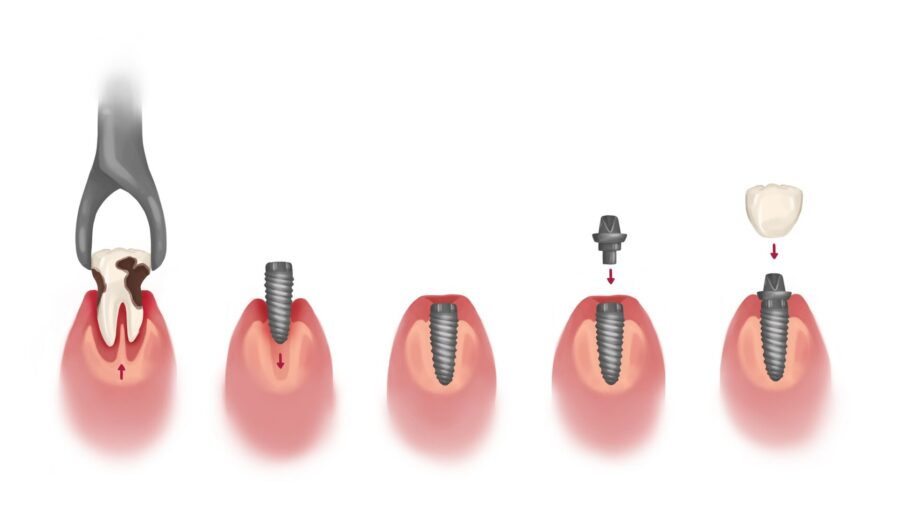
A dental implant replaces the root of a missing tooth. It’s placed in the jawbone and acts as a base for whatever restoration is going on top.
That restoration isn’t always the same. It depends on what you’re replacing:
- A single implant with a crown for one missing tooth
- An implant-supported bridge if several teeth are missing in the same area
- An implant-retained denture when someone is missing most or all of their teeth
Each option solves a slightly different problem. Some patients are focused on replacing one tooth cleanly, while others are trying to get more stability with a denture that hasn’t felt secure.
This is usually part of a broader conversation during a consultation, where we look at what makes sense structurally and in day-to-day use.
The Timeline: Why It Takes a Few Months
Dental implants are completed in stages, and most of the timeline is built around healing rather than chair time.
It starts with a consultation and imaging so we can evaluate the bone and see whether it’s ready for an implant. If it is, the implant is placed during a minor procedure.
After that, there’s a stretch where things are relatively quiet from your perspective. During this time, the implant is integrating with the bone, which is what gives it long-term stability.
Once that healing phase is complete, the final restoration is placed. During your implant consultation, we’ll outline each step so you have a clear sense of timing and what to expect along the way.
What Can Affect the Cost of Dental Implants
Cost is usually one of the first questions, and it’s a fair one. The challenge is that implant treatment isn’t a single, fixed procedure—it’s a series of steps that can vary depending on the situation.
A few of the main factors include:
- How many teeth are being replaced
- The type of restoration being used
- The condition of the bone in that area
- Whether additional procedures, like bone grafting, are needed
Because of that, it’s more useful to look at the full treatment plan than to focus on a single number. During a treatment planning visit, we go through everything in detail so you know what’s involved before making a decision.
What the Procedure and Recovery Are Like
The idea of implant placement can sound like a bigger procedure than it actually feels like. In most cases, it’s done with local anesthesia and is similar to other common dental procedures.
Afterward, there’s usually some soreness for a few days, but it’s manageable and tends to improve quickly. Most patients are back to their regular routine within a day or two.
The longer part is the healing phase, but that happens in the background and doesn’t usually interfere with daily life.
If You’ve Been Missing a Tooth for a While
If a tooth has been missing for some time, the bone in that area may have changed. That’s a normal process, but it can affect how we approach implant placement.
In some cases, a bone graft is recommended to rebuild support before placing the implant. This isn’t something we assume—it’s something we evaluate with imaging so the plan reflects what’s actually there.
How Implants Fit Into Long-Term Care
Once an implant is in place and restored, it’s cared for much like a natural tooth. Daily brushing and flossing are still important, along with staying consistent with cleanings and exams.
We also keep an eye on implants over time to make sure everything around them stays healthy. The goal is for them to function predictably, not just initially but years down the line.
Making a Decision That Fits Your Situation
Not every situation points to the same solution. Some patients are replacing a single tooth and want something that feels as close to natural as possible. Others are dealing with multiple missing teeth and are looking for stability they haven’t had in a while.
The right approach depends on what you’re dealing with and what you want out of it. That’s why the consultation matters—it gives you a clear picture of your options without having to make a decision on the spot.
Dental Implants in Eden Prairie, MN at Prairie Dental Group
At Prairie Dental Group in Eden Prairie, MN, Dr. Benjamin Fenger, Dr. Jeffrey Moos, Dr. Cole Boerema, Dr. Erik Engelbrektson, and Dr. James Watson take a practical approach to implant care, focusing on clear planning and outcomes that hold up over time.
If you’re considering dental implants or want to understand what your options look like, you can call the office or schedule a consultation to take the next step.
Contact UsImage from Authority Dental under CC 2.0