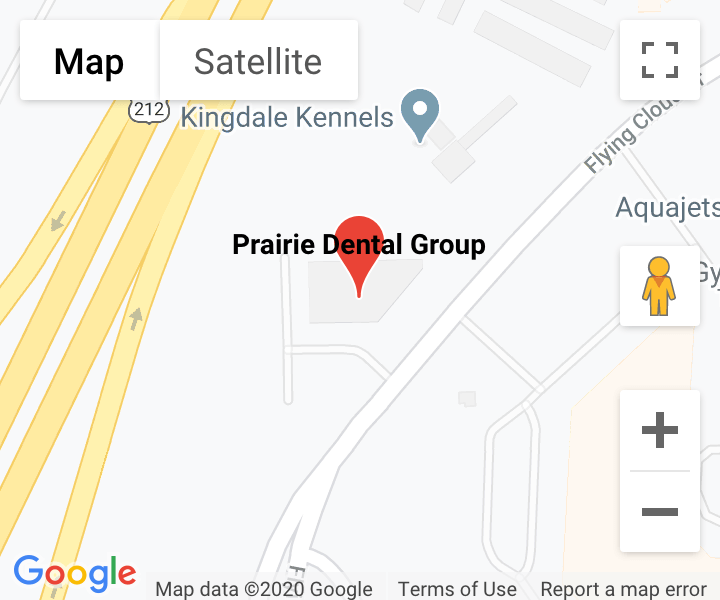

Deciding how to replace missing teeth is a big step — one that can influence your ability to eat, speak, smile, and feel confident for years to come. In Eden Prairie, Minnesota, patients at Prairie Dental Group often ask about two main options: dental implants and dentures. Both are established solutions, but they work in very different ways, and they each come with their own strengths and trade‑offs.
This guide walks through the long‑term pros and cons of implants and dentures in a way that’s easy to understand — so you can weigh what matters most for your lifestyle, health, and comfort.
What’s the Difference: Implants vs. Dentures
Dental implants are small titanium posts surgically placed into the jawbone where teeth are missing. Once the implant integrates with the bone, it acts like a new tooth root, and a crown, bridge, or overdenture can be attached. Implants become part of your anatomy and provide stability similar to natural teeth.
Dentures are removable prosthetic teeth set in a gum‑colored base. Traditional dentures rest on the gums and are held in place by suction or adhesives. Implant‑supported dentures clip or snap onto implants for added security and can stay in place or be removable.
Dental Implants: Long‑Term Pros
Strong, Stable Function
Because implants fuse with the jawbone, they feel and function more like natural teeth. You can chew many foods with confidence — from crisp apples to hearty sandwiches — without worrying about slipping.
Bone Preservation
When a tooth is lost, the jawbone around that space begins to shrink over time due to lack of stimulation. Implants help preserve bone by transmitting chewing forces into the jaw, supporting facial structure and jaw health.
Longevity
With proper care, implants can last a lifetime. While the crown or prosthetic may need replacement after many years, the implant itself does not decay.
Comfort and Confidence
Implants don’t rely on adhesives or rest on the gums, which many patients find more comfortable and secure for daily life.
No Special Daily Routine
Implants are cared for like natural teeth — brushing, flossing, and regular dental visits — without soaking or separate cleaning steps.
Dental Implants: Long‑Term Cons
Upfront Cost
Implants usually cost more initially than dentures due to surgery, imaging, and custom restorations. However, their longevity often makes them cost‑effective over time.
Surgical Process and Healing Time
Implant placement requires surgery and a healing period of several months. Some patients may also need bone grafting if bone loss has occurred.
Not Always Immediate
Because implants need time to integrate with the bone, treatment is spread over months. Temporary teeth may be used while healing takes place.
Traditional Dentures: Long‑Term Pros
Lower Initial Cost
Traditional dentures generally have a lower upfront cost, making them a practical option for patients with tighter budgets.
Faster Results
Dentures can often be made and placed more quickly than implants, offering faster cosmetic improvement.
Non‑Surgical Option
Because no implants are placed, dentures do not require surgery or surgical healing time.
Traditional Dentures: Long‑Term Cons
Less Stability and Chewing Strength
Dentures may shift during eating or speaking, which can limit food choices and require adhesives.
Ongoing Bone Loss
Because dentures don’t stimulate the jawbone, bone loss continues over time, which can affect fit and facial appearance.
Regular Adjustments
Changes in jaw shape often require relining or replacing dentures every few years.
Daily Maintenance
Dentures require removal, soaking, and special cleaning routines that some patients find inconvenient.
Implant‑Supported Dentures: A Middle Ground
Implant‑supported dentures combine elements of both options and can offer:
Greater stability than traditional dentures
Improved chewing power and comfort
Bone preservation in key implant areas
Removability for easier cleaning
This approach is often more affordable than full‑arch implants while delivering far better function than gum‑supported dentures.
How to Decide What’s Right for You
Choosing between implants and dentures depends on several personal factors:
Your jawbone health and overall oral condition
Your lifestyle and eating preferences
Your comfort with surgery and healing time
Your long‑term budget and maintenance expectations
A consultation at Prairie Dental Group allows your dentist to assess your anatomy, discuss your priorities, and recommend the most appropriate option for your smile.
Dental Implants vs. Dentures for Eden Prairie Patients
Missing teeth don’t have to limit your confidence or quality of life. Whether you choose dental implants, traditional dentures, or an implant‑supported solution, the right plan is the one that supports your comfort, health, and long‑term goals.
At Prairie Dental Group in Eden Prairie, MN, Dr. Benjamin Fenger, Dr. Jeffrey Moos, Dr. Cole Boerema, Dr. Erik Engelbrektson, and Dr. James Watson are here to guide you through your options and help you make a confident, informed decision. Call Prairie Dental Group today to schedule your consultation and take the next step toward a smile you can enjoy for years to come.
Contact Us