
Most people hope to keep their natural teeth for life, and whenever possible, that is usually the goal. Still, there are times when a tooth is too damaged, infected, loose, or crowded to stay healthy in the mouth. When that happens, removing the tooth may be the best way to protect your comfort and prevent the problem from spreading.
The hard part is that teeth do not always make the decision obvious. A tooth may ache for weeks, calm down, then flare up again. A cracked tooth may only hurt when you bite a certain way. A wisdom tooth may feel fine until the gums around it become swollen and tender. Because symptoms can come and go, many patients are unsure when a tooth extraction is actually on the table.
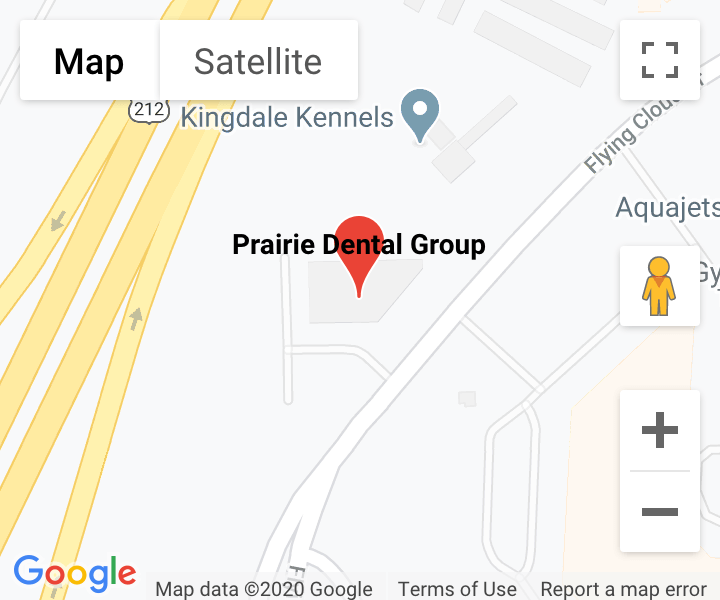
At Prairie Dental Group in Eden Prairie, MN, Dr. Benjamin Fenger, Dr. Jeffrey Moos, Dr. Cole Boerema, Dr. Erik Engelbrektson, Dr. James Watson, and the team evaluate the tooth, gums, bone, bite, and X-rays before recommending removal. If a tooth can be saved with another treatment, that conversation comes first. If extraction is the better option, the team can explain what to expect and help you plan for a smooth recovery.
When a Tooth May Need to Be Removed
A tooth extraction may be recommended when a tooth can no longer be repaired in a predictable way. This can happen because of deep decay, a severe crack, advanced gum disease, infection, trauma, crowding, or a wisdom tooth that does not have enough room to come in properly.
In many cases, the dentist will first consider whether the tooth can be saved. A filling, crown, root canal, gum treatment, or other restorative option may be possible depending on the condition of the tooth. However, if the damage reaches too far below the gumline, if the tooth is too loose, or if infection has weakened the surrounding support, extraction may be the more practical choice.
Removing a tooth is not a failure. It is sometimes the treatment that keeps the rest of the mouth healthier. A badly infected or fractured tooth can affect nearby teeth, gums, bone, and overall comfort if it is left untreated.
The only way to know for sure is through an exam. Symptoms can point in a direction, but X-rays and a clinical evaluation help show how much tooth structure remains and whether the tooth has a good chance of lasting.
1. Severe Tooth Pain That Keeps Coming Back
Tooth pain that keeps returning should be checked, especially if it is sharp, throbbing, or strong enough to interrupt sleep. Pain can come from many causes, including a deep cavity, cracked tooth, infected nerve, abscess, or pressure around a wisdom tooth.
Sometimes pain improves for a while, which can make the problem seem less urgent. However, a tooth infection may quiet down temporarily and then return with more swelling or discomfort later. Pain that comes and goes is still worth evaluating.
A tooth does not always need to be extracted because it hurts. In some cases, a root canal and crown may save it. In other cases, the tooth may be too damaged or infected to repair well.
If you are taking pain relievers often, avoiding one side of your mouth, waking up with tooth pain, or noticing swelling near the tooth, schedule an exam. It is better to understand the cause than to keep waiting for the next flare-up.
2. A Tooth Is Cracked or Broken Below the Gumline
A small chip can often be repaired. Even a larger broken tooth may sometimes be restored with a crown. However, when a crack extends below the gumline or down into the root, the tooth may not be saveable.
Cracked teeth can be tricky because the pain may only happen when you bite down or release pressure. You might chew normally most of the day, then feel a sharp jolt with one specific food or angle. Over time, the crack can deepen and allow bacteria to enter the tooth.
If a tooth breaks close to the gumline, there may not be enough healthy structure left to support a filling or crown. In that situation, extraction may be recommended to remove the damaged tooth and prevent ongoing irritation or infection.
At Prairie Dental Group, the dentist may use an exam and X-rays to determine how far the crack or fracture extends. If the tooth can be restored, that option can be discussed. If the fracture has compromised the root or support, removal may be the safer long-term plan.
3. Swelling, Drainage, or an Abscess
Swelling near a tooth should not be ignored. A dental abscess can form when bacteria reach the inner part of the tooth or the surrounding bone. Signs may include gum swelling, facial swelling, a pimple-like bump on the gums, a bad taste, drainage, fever, or pain when chewing.
In some cases, an infected tooth can be treated with a root canal. That removes the infected tissue inside the tooth and allows the tooth to be restored. However, if the tooth is badly damaged, fractured, or has poor bone support, extraction may be needed instead.
Antibiotics may help control spreading infection in certain situations, but they do not fix the source if the tooth itself remains infected. That is why dental treatment is usually needed to fully address the problem.
If swelling affects your face, jaw, eye area, throat, breathing, or swallowing, seek urgent care. Dental infections can become serious. For localized swelling or a gum bump near a tooth, contact Prairie Dental Group promptly so the tooth can be evaluated.
4. Advanced Gum Disease and Loose Teeth
Gum disease affects the tissues and bone that hold teeth in place. In its early stages, it may cause bleeding gums, bad breath, or inflammation. As it progresses, bone support can be lost, and teeth may begin to shift or loosen.
When a tooth becomes very loose because of advanced gum disease, saving it can be difficult. The tooth may no longer have enough support to function comfortably, even if the tooth itself does not have a large cavity.
Patients may notice movement when chewing, changes in the bite, spaces opening between teeth, gum recession, or tenderness around the tooth. Sometimes a loose tooth becomes painful because it is moving under pressure.
If gum disease is involved, the dentist will look at the whole mouth, not just one tooth. Treatment may include periodontal care to control infection and protect the remaining teeth. If a tooth has lost too much support, extraction may be part of a larger plan to restore comfort and stability.
5. A Wisdom Tooth Is Causing Problems
Wisdom teeth often cause trouble because they come in later, usually when there is limited room in the back of the mouth. Some wisdom teeth erupt fully and can be cleaned well. Others stay partly covered by gum tissue, grow at an angle, press against neighboring teeth, or remain impacted in the jaw.
A problematic wisdom tooth may cause swelling, jaw soreness, bad taste, gum tenderness, food trapping, headaches, or pain near the back molars. If the tooth is partly erupted, bacteria can collect under the gum flap and lead to repeated inflammation.
Wisdom teeth may also damage nearby teeth or create cleaning problems that increase the risk of decay. If a wisdom tooth is not functional, not cleanable, or causing repeated symptoms, removal may be recommended.
Not every wisdom tooth needs to come out. The recommendation depends on position, symptoms, oral hygiene, X-rays, and the effect on nearby teeth. An exam can help determine whether monitoring or extraction makes more sense.
6. Other Reasons a Tooth Extraction May Be Recommended
Sometimes a tooth is removed not because it hurts, but because it is interfering with a larger treatment plan. For example, orthodontic treatment may require extra space if the mouth is severely crowded. In other cases, a tooth may need to be removed before a denture, implant plan, or full-mouth restoration can move forward.
A baby tooth may also need to be removed if it does not fall out on its own and is blocking the adult tooth from coming in properly. Less commonly, a tooth may be extracted because of trauma, root resorption, or a failed previous treatment.
The reason for extraction will always be explained clearly so patients understand why the tooth cannot remain as it is, whether other options exist, and what happens after it is removed.
That last part is important. Removing a tooth may solve the immediate problem, but it can also leave a gap that affects chewing, tooth movement, and bite balance. If the tooth is not a wisdom tooth, replacement options may need to be discussed.
What Happens Before a Tooth Extraction
Before a tooth is removed, the dentist will examine the area and usually take an X-ray. This helps show the shape of the roots, the surrounding bone, nearby teeth, and whether infection is present. For wisdom teeth, imaging can also show whether the tooth is impacted or close to important structures.
The team will review your health history, medications, allergies, and any medical conditions that could affect treatment or healing. If you take blood thinners, have certain heart conditions, or have a complex medical history, additional planning may be needed.
You will also have a chance to ask questions about the procedure, numbing, recovery, and replacement options if needed. Some extractions are simple, while others are surgical. The difference depends on the tooth’s position, root shape, infection, and how much tooth structure is visible above the gumline.
At Prairie Dental Group, the goal is for you to understand the plan before treatment begins. Knowing what to expect can make the appointment feel more manageable.
What the Extraction Appointment Is Like
During a tooth extraction, the area is numbed so you should not feel sharp pain. You may still feel pressure or movement, which is normal. If you feel nervous about the procedure, Prairie Dental Group also offers sedation dentistry that may be available for extractions, depending on your health history, comfort level, and the type of treatment planned.
The dentist will gently loosen the tooth and remove it from the socket. If the tooth is broken, impacted, or difficult to access, it may need to be removed in sections. This can sound intimidating, but it is a common technique that helps make removal more controlled.
After the tooth is removed, the socket may be cleaned, and gauze will be placed to help a blood clot form. In some cases, stitches may be used. If bone grafting is part of the plan, it may be placed at the same visit, especially if a future dental implant is being considered.
Before you leave, the team will review recovery instructions. Those instructions are worth following closely because the first couple of days play a big role in healing.
What Recovery Looks Like After a Tooth Extraction
Recovery usually begins with protecting the blood clot that forms in the socket. This clot is part of normal healing. For the first day, you may be asked to bite gently on gauze, rest, avoid vigorous rinsing, and skip straws, smoking, and spitting.
Some soreness, swelling, and minor bleeding are common after an extraction. Cold compresses may help during the first day, and the dentist may recommend over-the-counter or prescribed pain relief depending on your situation. Soft foods are usually easiest at first.
As the days pass, discomfort should gradually improve. Many patients return to normal routines fairly quickly, though the timeline depends on the tooth removed and whether the extraction was simple or surgical.
Foods such as yogurt, applesauce, mashed potatoes, scrambled eggs, smoothies eaten with a spoon, and soft pasta may be easier during the first few days. Avoid crunchy, spicy, hot, or seedy foods until the area is more comfortable.
How to Avoid Dry Socket
Dry socket happens when the blood clot in the extraction site is lost or does not form properly. This can expose the bone and lead to significant pain a few days after the extraction. It is more common after certain extractions, especially lower wisdom teeth.
To lower the risk, avoid drinking through a straw, smoking, vaping, forceful rinsing, and spitting during the early healing period. These actions can disturb the clot. Follow the instructions you are given for cleaning your mouth, and be gentle around the extraction site.
If pain suddenly gets worse after it had started improving, or if you notice a bad taste, odor, or pain radiating toward the ear, call the dental office. Dry socket can be treated, but it should not be ignored.
The good news is that many patients heal without dry socket. Careful aftercare during the first few days gives the extraction site a better chance to heal comfortably.
When to Call the Dentist During Recovery
Some soreness and swelling are expected, but certain symptoms should be checked. Call Prairie Dental Group if bleeding does not slow down, swelling worsens after a few days, pain becomes severe, or you develop fever, pus, or a bad taste that does not improve.
You should also call if you cannot open your mouth well, if a stitch comes loose sooner than expected, or if you are unsure whether your symptoms are normal. Recovery instructions can vary depending on the type of extraction, so it is always better to ask than to guess.
If you were prescribed medication, take it as directed. If you have side effects or concerns, contact the office before stopping or changing the plan.
Follow-up care may be recommended for some patients, especially after surgical extractions, bone grafting, or removal related to infection. These visits help make sure healing is on track.
Should You Replace an Extracted Tooth?
If the tooth removed is a wisdom tooth, replacement is usually not needed. However, if another adult tooth is removed, replacement may be recommended to protect chewing function, bite balance, and neighboring teeth.
When a tooth is missing, nearby teeth can drift into the space, and the opposing tooth may shift toward the gap. Over time, this can affect chewing, spacing, and the way your bite comes together.
Replacement options may include a dental implant, bridge, or partial denture. The best choice depends on the location of the missing tooth, bone support, gum health, budget, and personal preference.
You do not always have to decide on the replacement the same day as the extraction, but it is helpful to discuss the plan early. If an implant may be considered later, bone preservation may be part of the extraction plan.
Tooth Extraction in Eden Prairie, MN
A tooth extraction may be recommended when a tooth is too damaged, infected, loose, crowded, or poorly positioned to stay healthy in the mouth. While it is normal to feel unsure about removing a tooth, an exam can help you understand whether extraction is truly needed or whether another treatment could save it.
At Prairie Dental Group in Eden Prairie, MN, Dr. Benjamin Fenger, Dr. Jeffrey Moos, Dr. Cole Boerema, Dr. Erik Engelbrektson, Dr. James Watson, and the team can evaluate your symptoms, review your X-rays, and explain your options. If removal is recommended, they will walk you through the appointment, recovery, and any tooth replacement choices that may apply.
If you have tooth pain, swelling, a cracked tooth, a loose tooth, or wisdom tooth discomfort, schedule a visit with Prairie Dental Group. Getting clear answers now can help you avoid a more painful dental problem later.
FAQs
How do I know if I need a tooth extraction? You may need an extraction if a tooth is severely decayed, cracked below the gumline, infected, very loose, impacted, or causing repeated problems. An exam and X-ray are needed to know for sure.
Does tooth extraction hurt? The area is numbed before the tooth is removed, so you should not feel sharp pain during the procedure. You may feel pressure or movement. Some soreness afterward is expected.
How long does recovery take after a tooth extraction? Many patients feel better within a few days, but full healing takes longer. Surgical extractions or wisdom teeth removal may require more recovery time than a simple extraction.
What should I eat after a tooth extraction? Soft foods are best at first. Options may include yogurt, applesauce, mashed potatoes, eggs, soft pasta, and smoothies eaten with a spoon. Avoid straws, crunchy foods, and hot foods early in recovery.
What is dry socket? Dry socket happens when the blood clot in the extraction site is lost or does not form properly. It can cause strong pain a few days after extraction and should be treated by a dentist.
Do I need to replace a tooth after extraction? Wisdom teeth do not need replacement, but other adult teeth often should be replaced to help protect chewing, spacing, and bite balance.
Contact Us